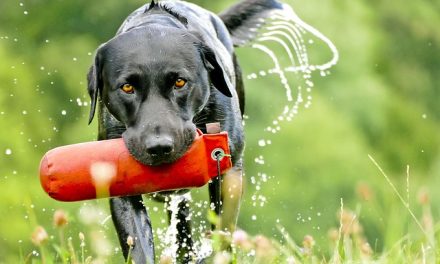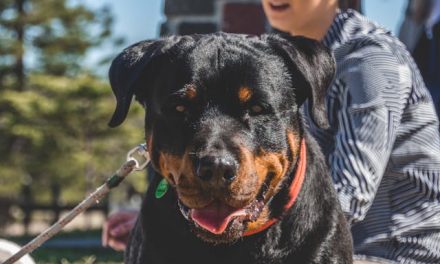
If you've got a strong-willed dog who seems to selectively hear your commands, you're not alone. Finding the right e-collar for stubborn dogs requires understanding both your dog's temperament and the specific features that make certain training collars more effective for determined pups.
The best e-collar for stubborn dogs needs adjustable stimulation levels (ideally 15+ settings), waterproof construction, and sufficient power output to reach dogs with high pain thresholds or strong drive. Unlike basic training collars, these tools require precise control and consistency to break through your dog's selective listening habits.
What Makes a Dog "Stubborn"?
Before diving into collar features, it's worth understanding what we mean by "stubborn." Some dogs have naturally high drive, strong prey instincts, or simply more independent personalities. Breeds like German Shepherds, Rottweilers, and Huskies often fall into this category – they're intelligent enough to know what you want, but confident enough to decide whether they feel like complying.
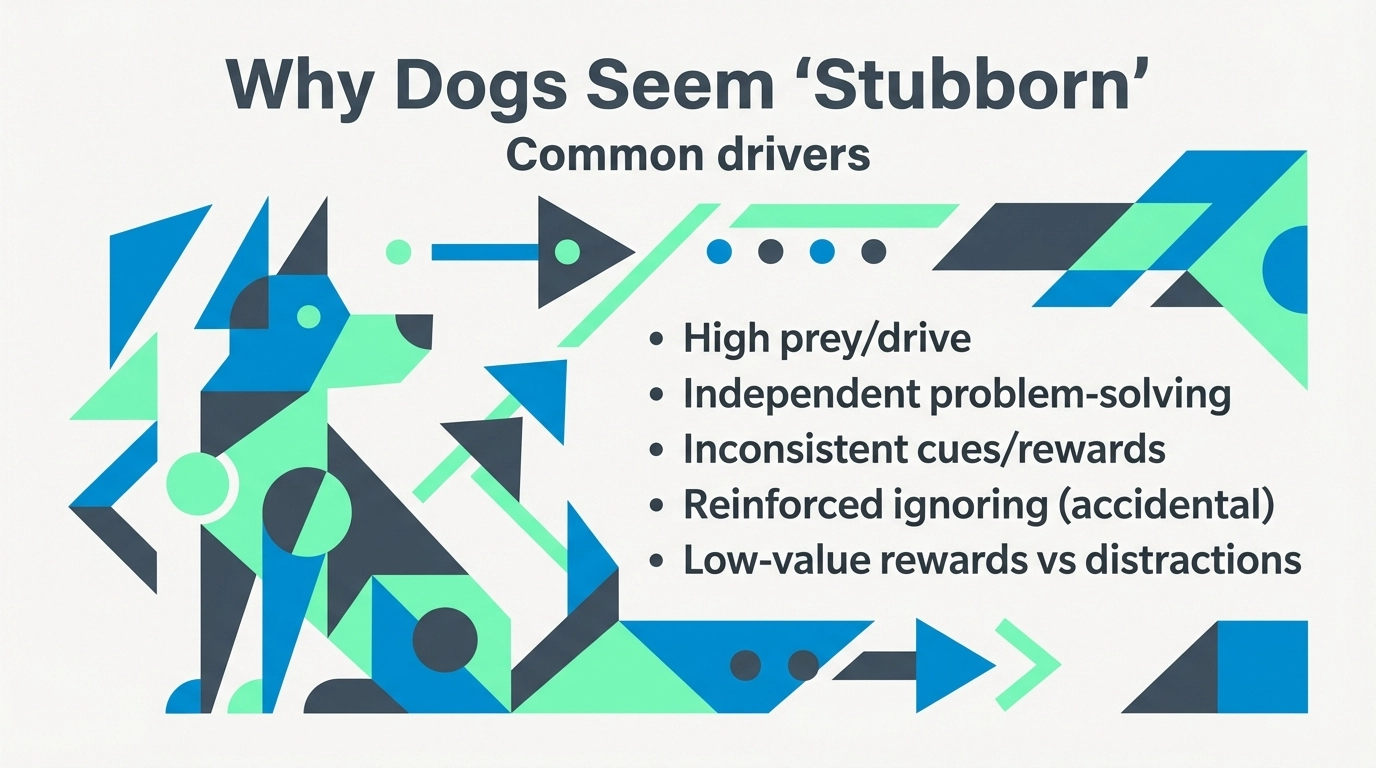
Other dogs become "stubborn" through inconsistent training or because they've learned that ignoring commands sometimes works in their favor. The right e-collar helps establish clear, consistent communication that these dogs can't selectively ignore.
Essential Features for Stubborn Dogs
Multiple Stimulation Levels
Your e-collar should offer at least 15-20 different stimulation levels, though many professional-grade options provide 50+ settings. This range lets you find your dog's "working level" – the minimum stimulation needed to get their attention without causing distress.
E-Collar Technologies products like the Mini Educator ET-300 excel here, offering 100 stimulation levels plus vibration and tone options. This precision helps you work with your dog's specific sensitivity level rather than forcing a one-size-fits-all approach.
Waterproof Construction
Stubborn dogs often spend more time outdoors, and many training scenarios happen regardless of weather. Look for collars rated as fully waterproof or submersible, not just "water-resistant." The SportDog FieldTrainer 425XS offers submersible protection and maintains consistent performance even in wet conditions.
Sufficient Range
Consider where you'll be training. Yard work might only need 300-400 yards, but if your dog tends to wander or you're working on off-leash reliability in larger spaces, look for 1/2 mile to 1-mile range options. Dogtra's 1900S series provides up to 3/4 mile range with 127 different stimulation levels – perfect for dogs who like to test boundaries.
Tone and Vibration Options
Many stubborn dogs respond well to warning signals before stimulation. Quality e-collars include audible tones and vibration settings that can serve as "pre-cues" before applying static correction. This layered approach often reduces the actual stimulation needed over time.
What to Avoid
Single-Level or Limited Settings
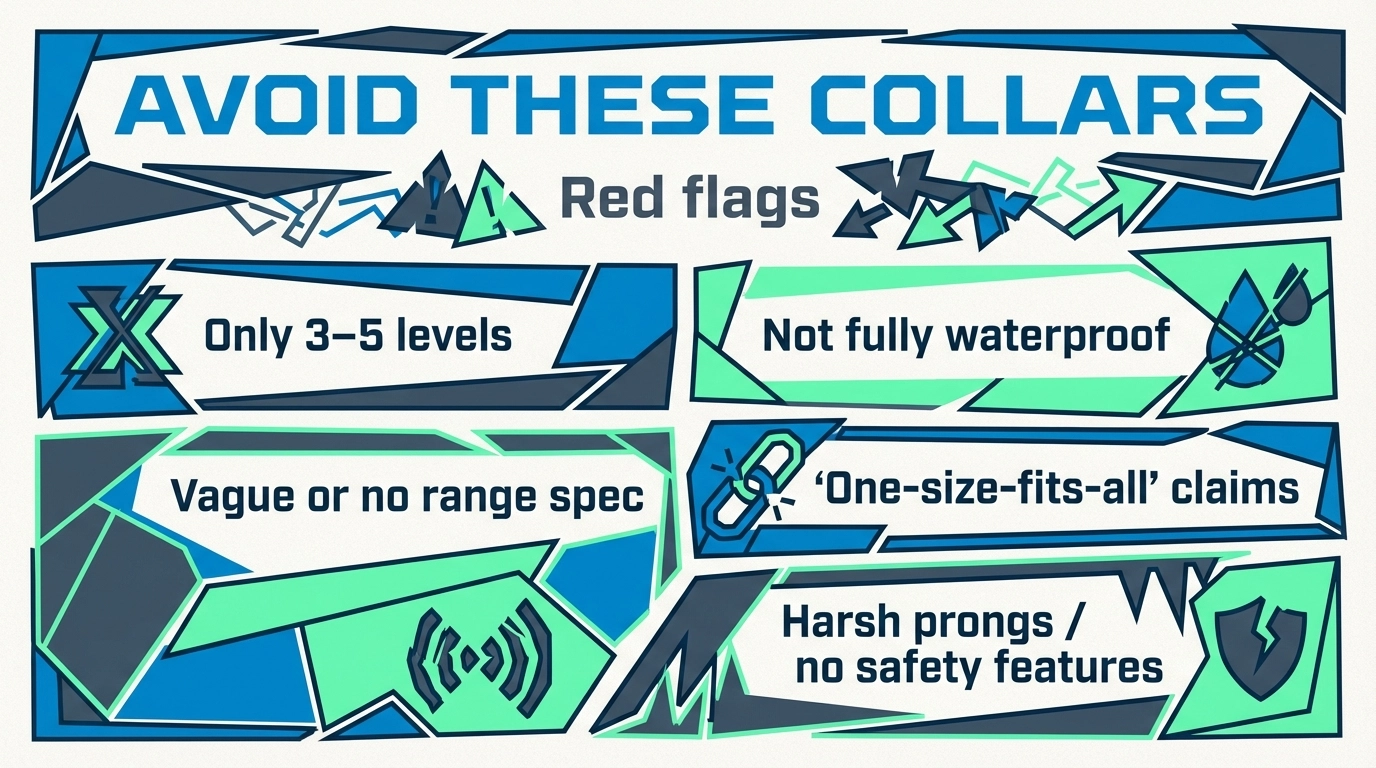
Avoid collars with only 3-5 stimulation levels. Stubborn dogs often need very specific intensity levels, and limited options force you to choose between "too little" or "too much" stimulation. This inconsistency actually makes training less effective.
Non-Waterproof Models
Skip any collar that isn't fully waterproof. Moisture damage creates unreliable performance, which is particularly problematic with stubborn dogs who are already looking for reasons to ignore your commands.
One-Size-Fits-All Marketing
Be wary of collars marketed as suitable for "all dogs" without size or temperament specifications. Stubborn dogs often need medium to high output levels that basic collars simply can't provide.
Top Recommendations by Brand
E-Collar Technologies
The ET-300 Mini Educator works exceptionally well for stubborn dogs under 40 pounds. Its 100 stimulation levels and precise control make it ideal for fine-tuning your approach. For larger stubborn breeds, the ET-400 provides the same precision with higher output capability.
Dogtra
Dogtra's 1900S series is built specifically for strong-willed dogs. The 127 stimulation levels, 3/4 mile range, and fully waterproof design handle even the most determined escape artists. The stimulation is clean and consistent, which stubborn dogs respect more than erratic corrections.
SportDog
The SportDog FieldTrainer 425XS offers excellent value for stubborn dog training. Its DryTek technology ensures waterproof performance, while the 21 stimulation levels provide enough range for most training situations. The vibration and tone options work particularly well for dogs who've become "collar wise."
Breed-Specific Considerations
Different breeds present unique challenges when it comes to stubborn behavior. German Shepherds, for example, often respond better to lower stimulation levels combined with clear commands, while breeds like Rottweilers may need slightly higher settings due to their naturally higher pain tolerance.
If you're working with a Husky, you'll want to check out our specific guide on shock collars for Huskies, which covers their unique escape artist tendencies. Labrador owners dealing with selective hearing should review our shock collars for Labradors article for breed-specific training approaches.
For Rottweiler owners, our best shock collar for Rottweilers guide addresses the power and durability requirements these strong dogs demand.
Training Tips for Success
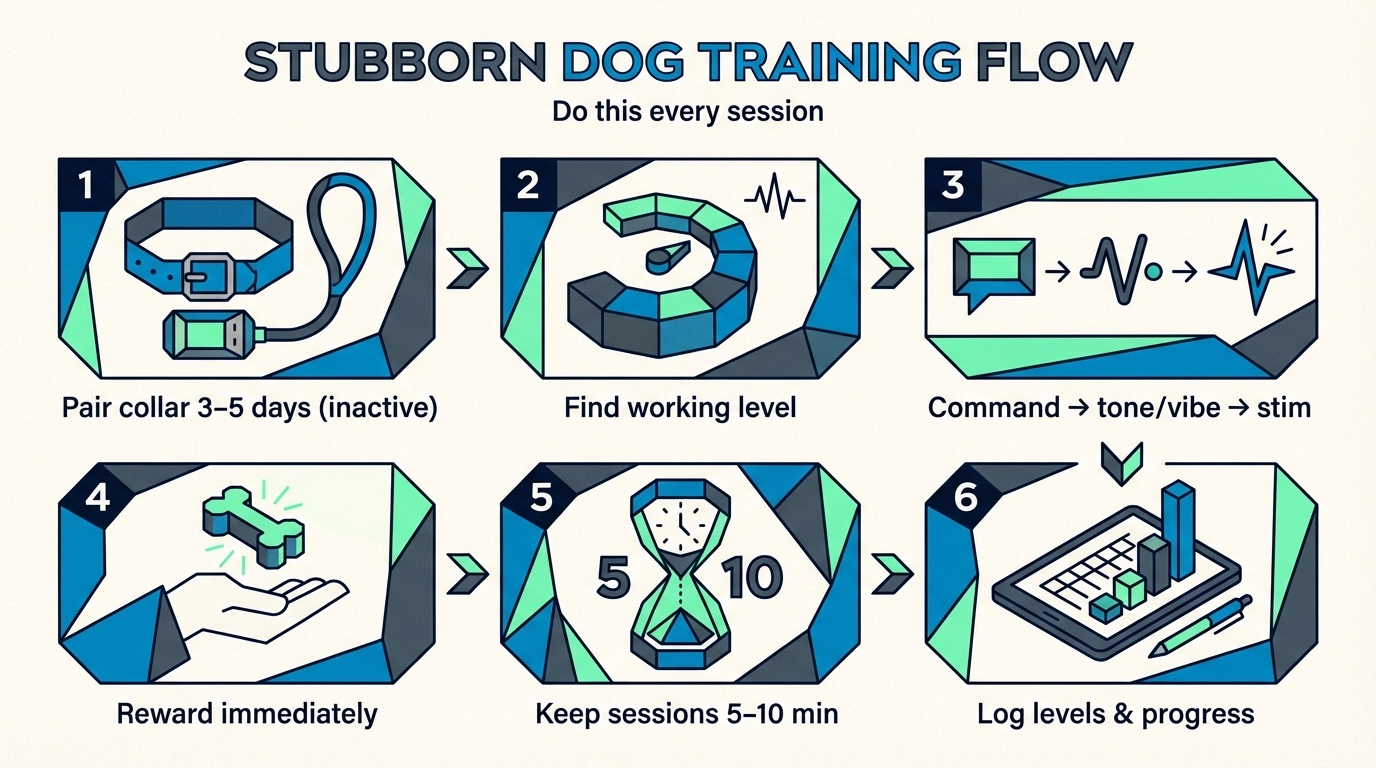
Start with Proper Introduction
Never jump straight to stimulation with a stubborn dog. Spend 3-5 days letting them wear the collar without activation, so they don't associate the collar itself with corrections. This prevents "collar wise" behavior where dogs only behave when wearing the e-collar.
Find the Working Level
The correct stimulation level should get your dog's attention without causing panic or shutdown behavior. You'll see a slight head turn, ear flick, or pause in activity – not jumping, yelping, or cowering. Most stubborn dogs work between levels 15-35 on a 100-level system.
Use Positive Reinforcement
E-collars work best when combined with reward-based training. The stimulation gets attention and stops unwanted behavior, but praise and treats build the behaviors you want to see. This combination is particularly effective with stubborn dogs who need clear consequences AND motivating rewards.
Consistency Is Key
Stubborn dogs test boundaries constantly. Every family member must use the collar the same way, with the same commands and timing. Inconsistent application actually reinforces stubborn behavior by teaching dogs that compliance is optional.
Common Mistakes to Avoid
Don't use the collar for punishment after the fact. E-collars work for real-time behavior interruption, not for correcting something your dog did five minutes ago. Stubborn dogs are smart enough to not connect delayed consequences with their actions.
Avoid using stimulation as your first response. Layer your communication: verbal command, then tone or vibration if needed, then minimal stimulation. This teaches your dog to respond to lighter cues over time.
Never use the collar when you're frustrated. Stubborn dogs pick up on emotional energy, and training sessions should remain calm and consistent. If you're having a bad day, skip the training session.
Making the Right Choice
The best e-collar for your stubborn dog depends on their size, temperament, and your specific training goals. Smaller determined dogs often do well with the precision of E-Collar Technologies' Mini Educator, while larger, more driven dogs might need the power and range of Dogtra's professional series.
Consider your training environment too. Suburban yard training requires different features than rural property or hunting scenarios. The key is matching the collar's capabilities to your dog's specific challenges and your training needs.
Remember that an e-collar is a training tool, not a permanent solution. The goal is teaching your stubborn dog to respond reliably to your voice commands, with the collar serving as backup communication when needed. With the right collar and consistent training approach, even the most determined dogs can learn to be reliable, responsive companions.
For more detailed information about e-collar training basics, check out our comprehensive guide on what an e-collar for dogs is and explore our dog training category for additional training resources.